

Living By Standing
- Dr B.J. Stagner
- Nov 15, 2025
- 3 min read

1 Thessalonians 3:8 — “For now we live, if ye stand fast in the Lord.”
Paul’s words pierce with simplicity and strength. “For now we live.” He defines spiritual vitality not by breath or heartbeat, but by steadfastness. The phrase hinges on one condition—“if ye stand fast in the Lord.” Life, as Paul measures it, is not existence but endurance. His joy and his sense of purpose were bound to the faithfulness of the believers in Thessalonica. Their stability was his sustenance.
The context is tension. Paul had been driven out of Thessalonica by persecution (Acts 17). His concern for the young church weighed heavily. Would they withstand the pressure? Would the fire of affliction extinguish their faith or refine it? When Timothy brought back word of their steadfastness, Paul’s heart revived. “Now we live”—he breathed again, because they stood firm.
This exposes the divine paradox of Christian life: standing is living. The world associates vitality with progress—movement, expansion, achievement. Scripture reverses the definition. It is not the one who moves with the current that lives; it is the one who stands against it. True spiritual life reveals itself in resistance—resistance to compromise, to moral decay, to unbelief. Standing fast is not stagnation; it is spiritual survival.
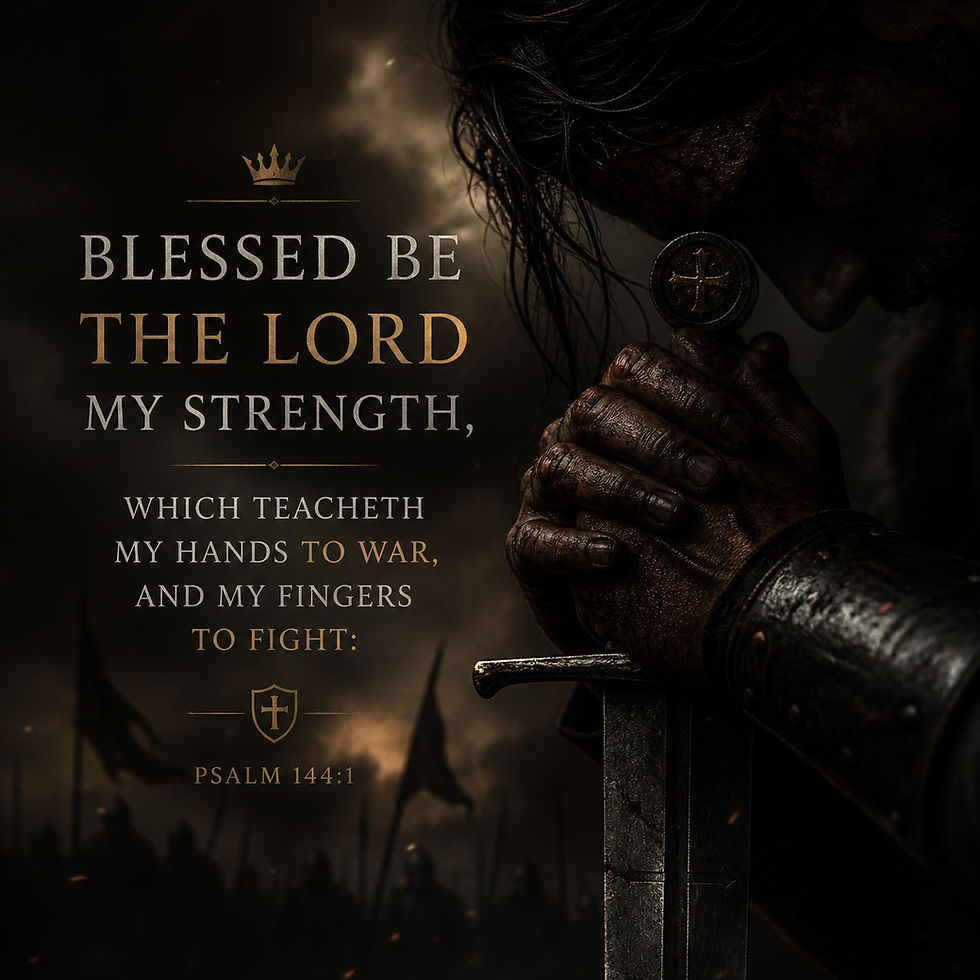
To “stand fast” (stēkō) means to remain immovable in allegiance. The term carries military weight. It describes a soldier holding his ground under pressure, refusing retreat even as the enemy advances. Paul repeats the command throughout his letters—“Stand fast therefore in the liberty wherewith Christ hath made us free” (Galatians 5:1); “Stand fast in one spirit, with one mind striving together for the faith of the gospel” (Philippians 1:27). The Christian’s strength is not measured by new ground gained but by old ground held.
At Thermopylae, 300 Spartans held their position against overwhelming odds, not because they expected survival, but because their stand embodied conviction. They died standing, and history calls them immortal. Paul would have understood that. The Christian’s immortality is not in the flesh, but in faithfulness.
In every generation, the health of the church rests on whether believers stand. When the modern world demands tolerance at the expense of truth, standing fast in the Lord becomes the proof of life. When the tide of apostasy rises and churches trade conviction for comfort, the remnant that refuses to move shows the pulse of the living faith. “Now we live”—not when attendance is high, not when programs are many, but when the people of God refuse to bow to the spirit of the age.
The apostle’s measure of ministry was not popularity but perseverance. His satisfaction came not from applause but from the endurance of those he had discipled. This is the test of every generation of believers. Life is not extended by comfort; it is enlarged by conviction.
To stand fast in the Lord is to anchor in His truth when all else drifts. It is to declare, with Martin Luther, “Here I stand; I can do no other.” It is to echo the apostles before the Sanhedrin, “We ought to obey God rather than men.” It is to stand with Christ, even if standing means standing alone.
Paul’s phrase is not poetic—it is practical. If ye stand fast, then you live. If not, you merely exist. Stability in Christ revives the fainting soul, sustains the suffering saint, and strengthens the weary soldier. The church does not live by innovation but by immovability in the truth.
So live. Stand fast in the Lord. Refuse the shifting soil of convenience. Hold your ground in faith, in doctrine, and in devotion. For to stand firm in Him is not merely to survive—it is to truly live.


Comments