

Standing Fast in the Lord
- Dr B.J. Stagner
- Dec 4, 2025
- 3 min read

Philippians 4:1 “Therefore, my brethren dearly beloved and longed for, my joy and crown, so stand fast in the Lord, my dearly beloved.”
Paul’s command to “stand fast in the Lord” is not a mere call to persistence but a charge to perseverance grounded in spiritual reality. It is the natural conclusion of his preceding teaching in chapter 3, where he exhorted believers to follow his example, to look heavenward, and to await the return of Christ. “Therefore” binds this charge to that context: because heaven is our home, because Christ is our hope, and because truth is our anchor—we must stand fast.
The Apostle’s affection underscores his urgency. Twice he calls them “beloved,” reminding them that the instruction is not born of frustration but of pastoral burden. “Longed for” and “my joy and crown” reveal his deep relational investment. Their steadfastness was not abstract theology; it was the proof of his ministry’s fruit. A believer who stands fast strengthens the whole body; one who falters weakens the testimony of truth.
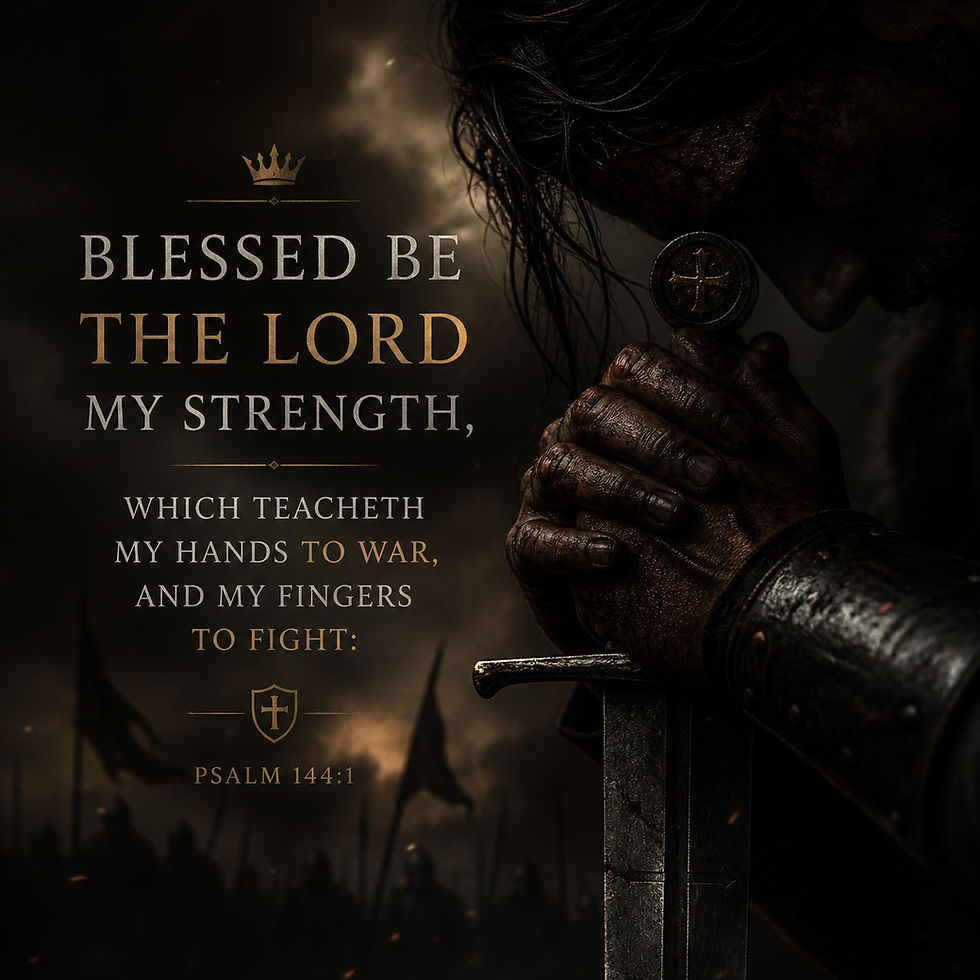
The phrase “stand fast” translates from the Greek stēkō, meaning to remain immovable, to hold one’s ground under pressure. This was the language of soldiers refusing to retreat. In Philippi—a Roman colony proud of its military discipline—Paul’s readers would have understood the image instantly. A Christian is called to spiritual stability when the enemy advances, when opinions shift, and when pressures mount. Standing fast implies conviction, not convenience; faith, not feeling.
To “stand fast in the Lord” is to root stability in divine strength, not self-determination. The believer’s footing is not found in circumstance or personality but in position—in the Lord. The ground of Christ’s sufficiency does not crumble when culture changes. The believer who stands there cannot be moved. Psalm 125:1 declares, “They that trust in the LORD shall be as mount Zion, which cannot be removed, but abideth for ever.” The same firmness is demanded here.
Spiritual instability was the recurring danger of the Philippian church—external persecution (Phil. 1:28), internal division (Phil. 4:2), and doctrinal error (Phil. 3:2). The answer to all three was the same: steadfastness. Paul did not call them to isolation but to inner immovability. The believer must not sway with emotion or opinion but stand in unwavering truth. “Be ye steadfast, unmoveable, always abounding in the work of the Lord” (1 Cor. 15:58). The pattern is consistent: stability precedes fruitfulness.
Historically, the great revivals and evangelistic movements were built upon this same immovable stance. Men such as Luther and Spurgeon refused to bow to shifting winds. They stood fast when compromise was the easier path. The Baptist forefathers who suffered imprisonment for conscience’ sake exemplified the same courage—standing not in stubborn pride, but in conviction anchored in the Word of God.
In the present age, spiritual firmness is again a rare commodity. The modern church, seduced by comfort and consensus, too often bends where it should stand. Yet Paul’s words remain unaltered. The stability of the believer is the strength of the church. The same love that moved Paul to warn the Philippians demands that we guard against doctrinal drift and moral decay. To stand fast in the Lord today is to refuse the dilution of truth, to reject the idol of popularity, and to rest in the unchanging promises of Scripture.
Paul concludes with tenderness—“my dearly beloved.” Love is the motive, truth is the foundation, and endurance is the command. To stand fast is not cold rigidity but faithful loyalty. It is the firmness of a heart captivated by Christ, strengthened by grace, and resolved that no trial or trend will dislodge its faith.
When the winds of confusion blow, the church must not scatter. It must stand. When pressures to conform arise, convictions must remain. When fear tempts retreat, faith must hold the line. The Christian who stands fast in the Lord does not merely survive the battle—he honours the Captain of his salvation.


Comments